
An international experimental campaign focused on superheavy element research took place at the NPI
12. 05. 2026
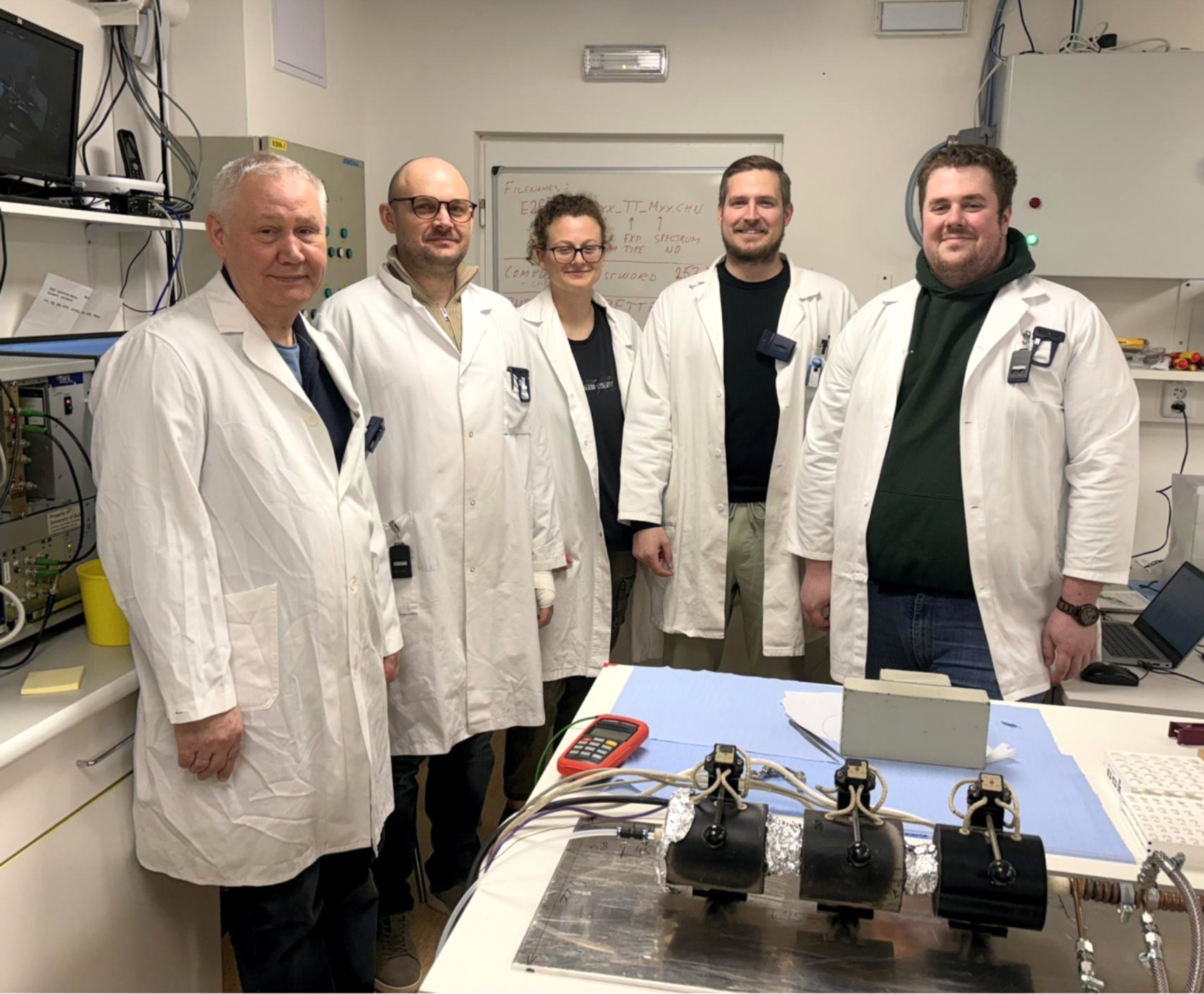
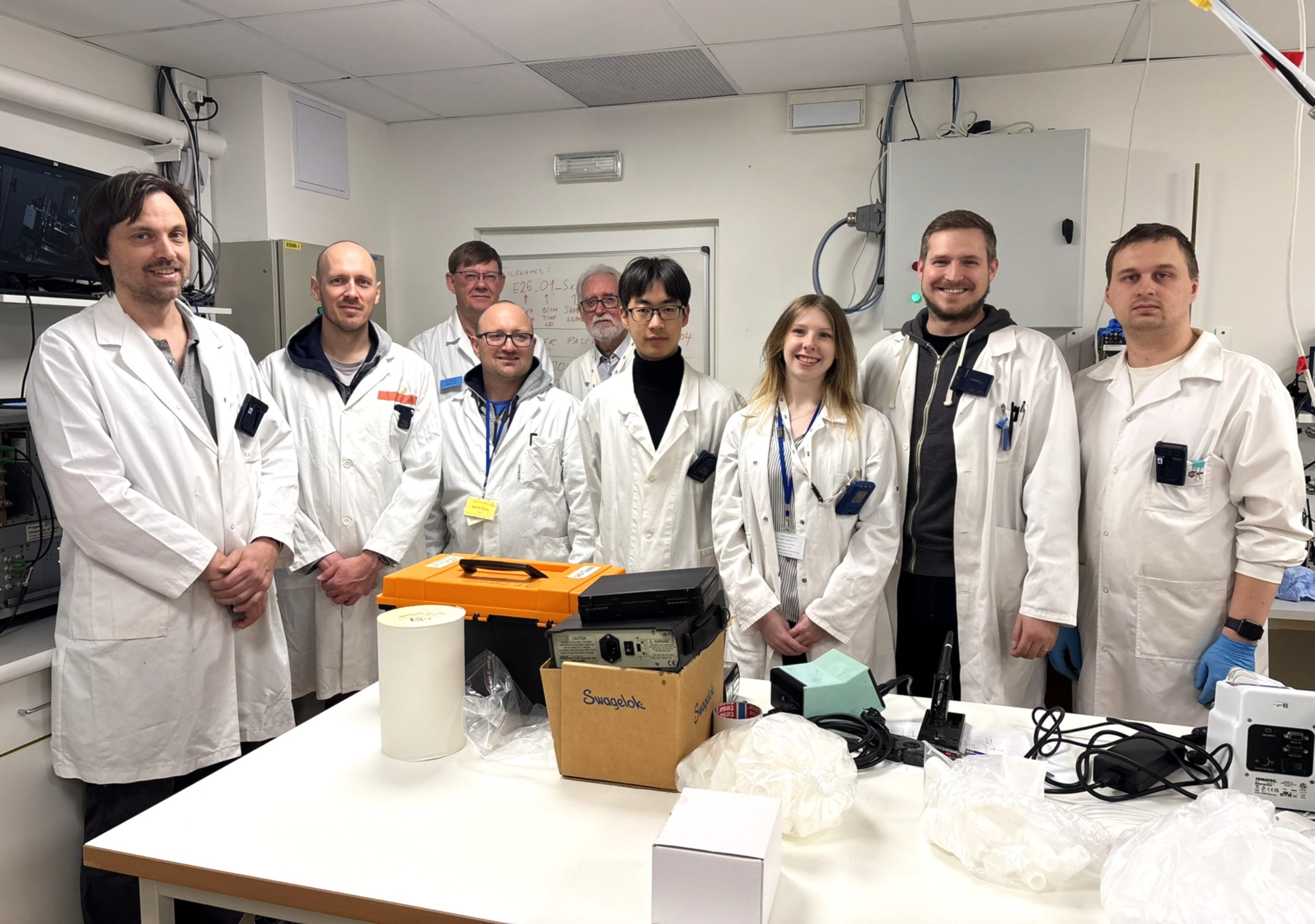
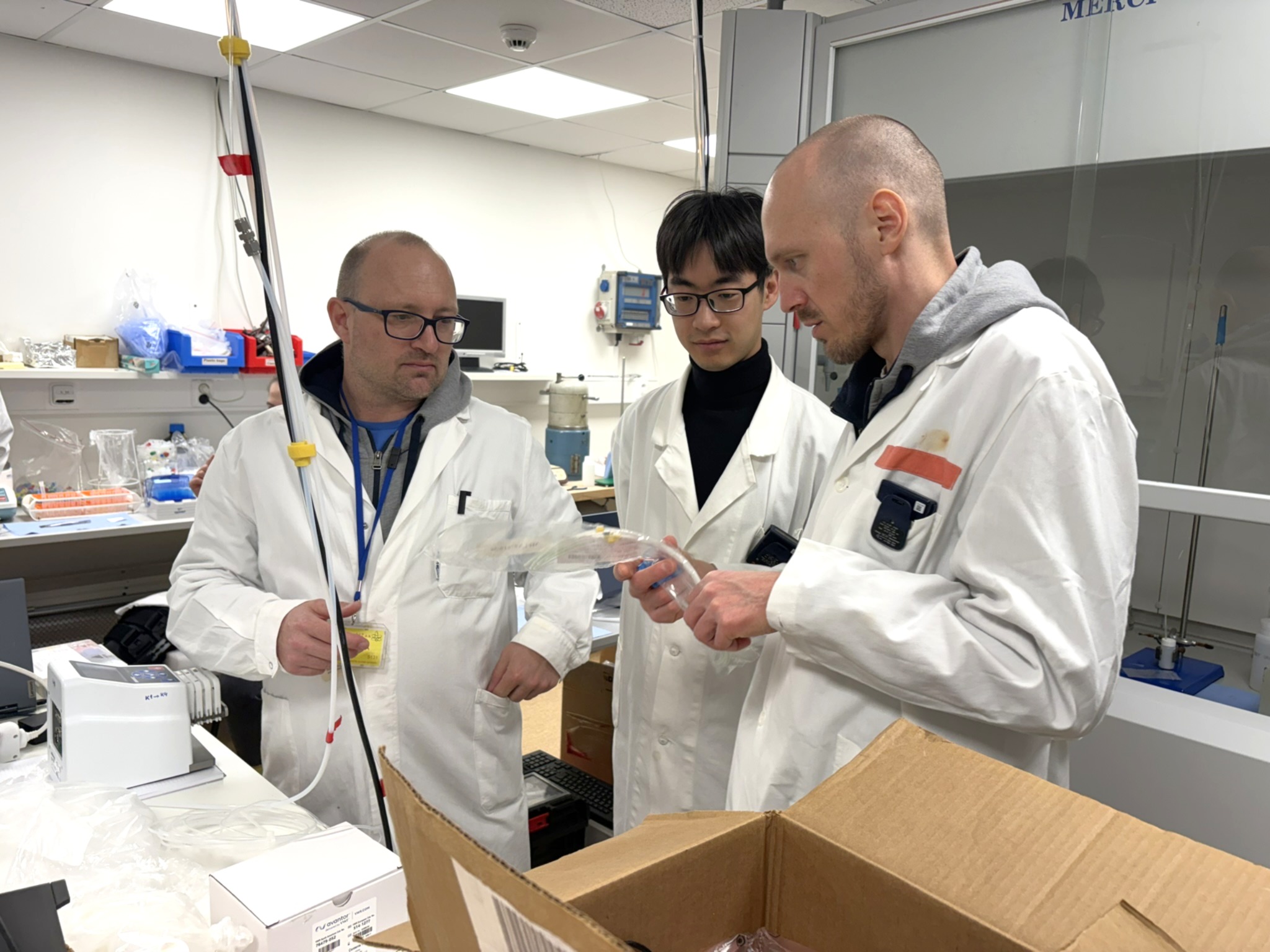
The Nuclear Physics Institute of the Czech Academy of Sciences once again hosted its traditional experimental campaign focused on the research of homologues of superheavy elements (hSHE). This international collaboration, which this year entered its 10th anniversary year, originally began as a joint initiative between the Nuclear Physics Institute of the CAS, the Faculty of Nuclear Sciences and Physical Engineering of CTU and the University of Oslo. Over time, additional important partners joined the collaboration, including ETH Zürich, Paul Scherrer Institute (PSI), Johannes Gutenberg University Mainz, Helmholtz Institute Mainz, GSI Darmstadt, and Texas A&M University.
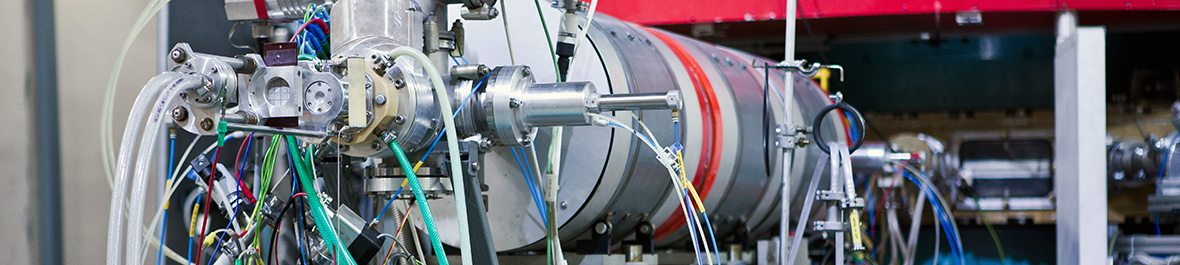
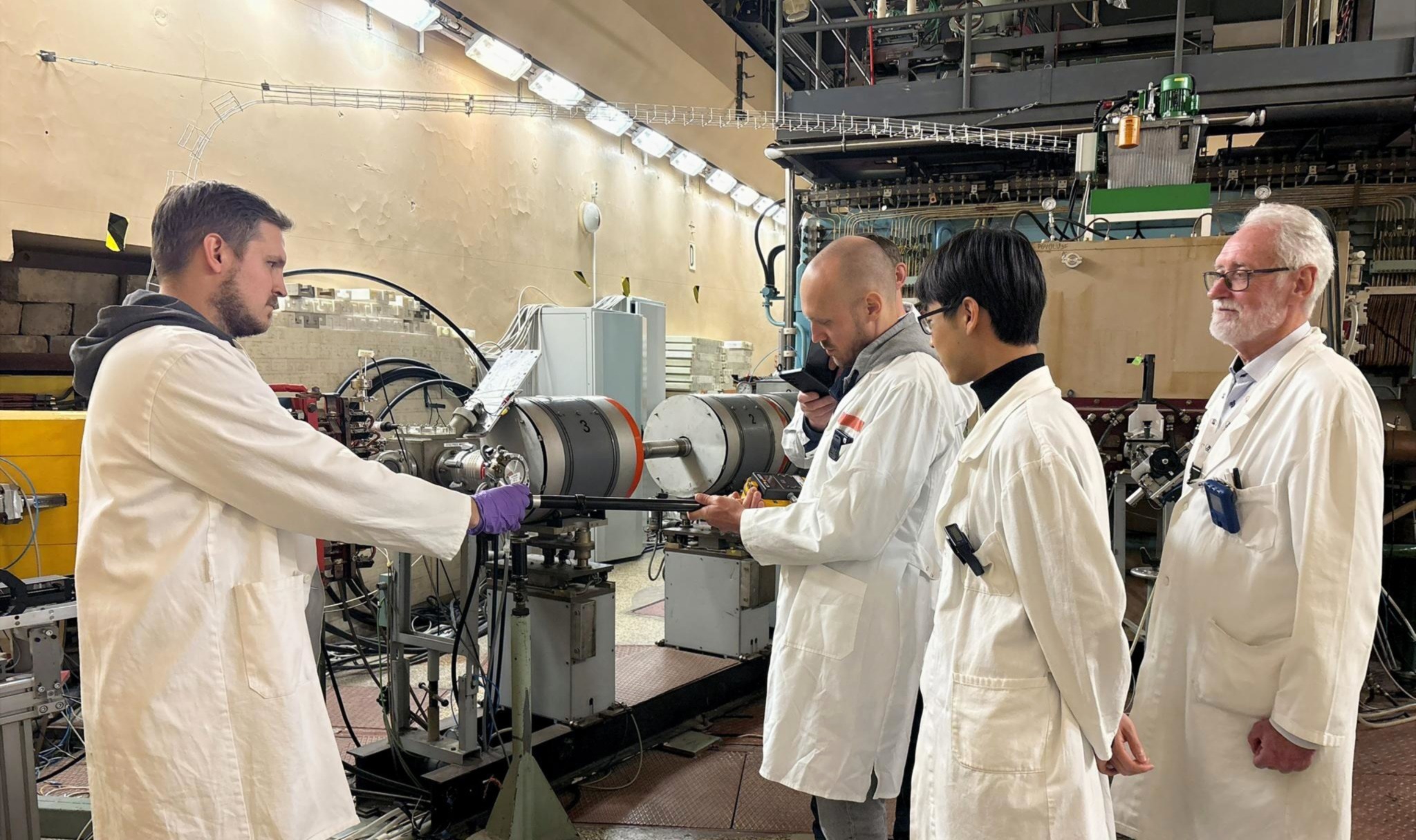
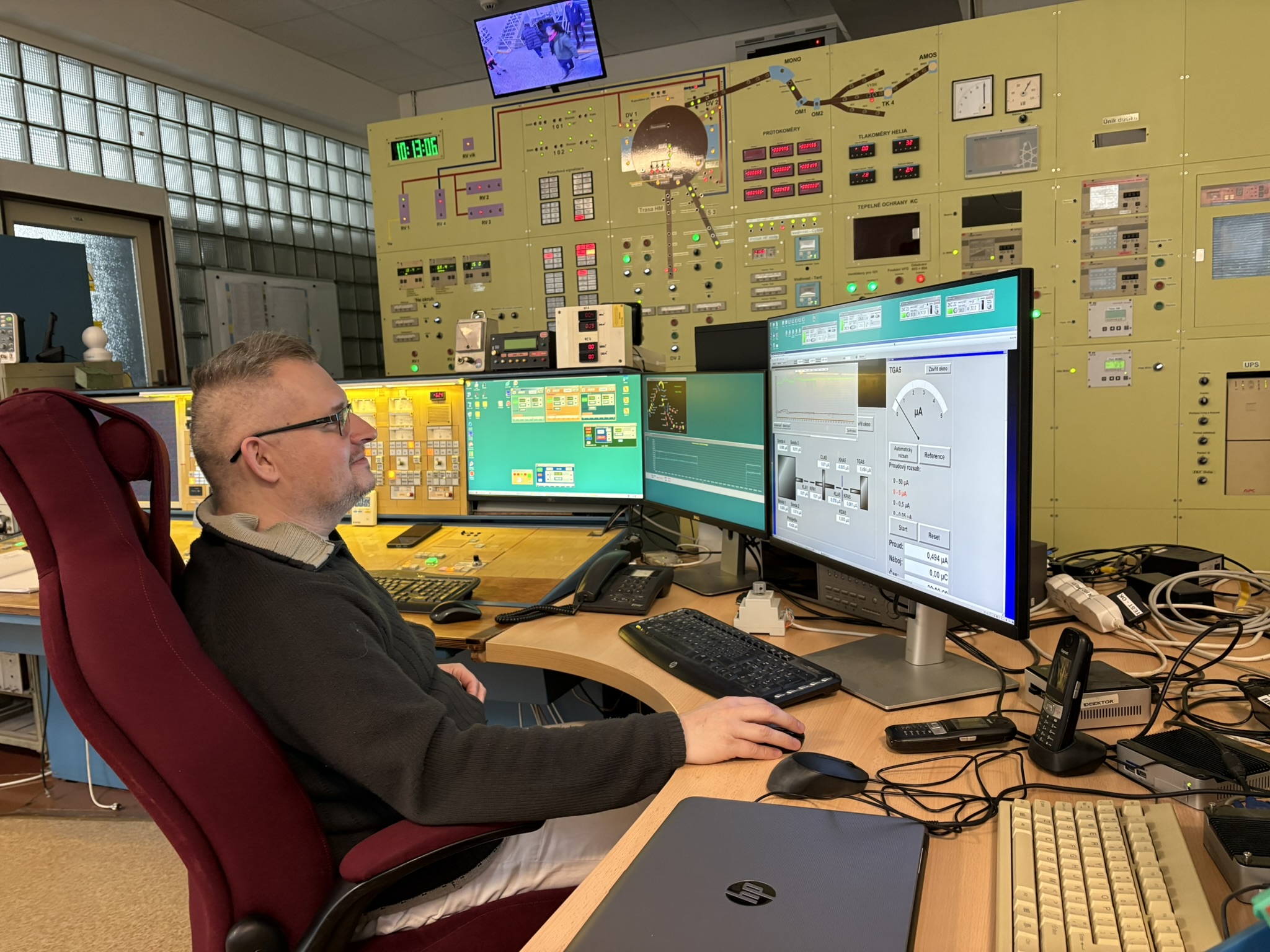
The experiments are carried out at the U-120M cyclotron, a unique facility of its kind operated by the Department of Accelerators. The NPI is one of only a few laboratories in Europe and worldwide capable of accelerating He-3 ion beams with energies of up to 50 MeV. These beams are used to produce so-called homologues of superheavy elements — radionuclides whose physicochemical properties resemble those of actual superheavy elements such as rutherfordium, dubnium, or seaborgium.
Superheavy elements themselves do not naturally occur on Earth. They are highly unstable, and their production at large accelerator facilities around the world is technologically extremely demanding and financially costly. For this reason, studies of their chemical properties often rely on homologues, which can be produced through nuclear reactions on specially prepared targets made of strontium, yttrium, zirconium, niobium, molybdenum, or hafnium. The development of the special target chamber and transport system was carried out jointly by the Nuclear Physics Institute, FNSPE CTU, and the University of Oslo.
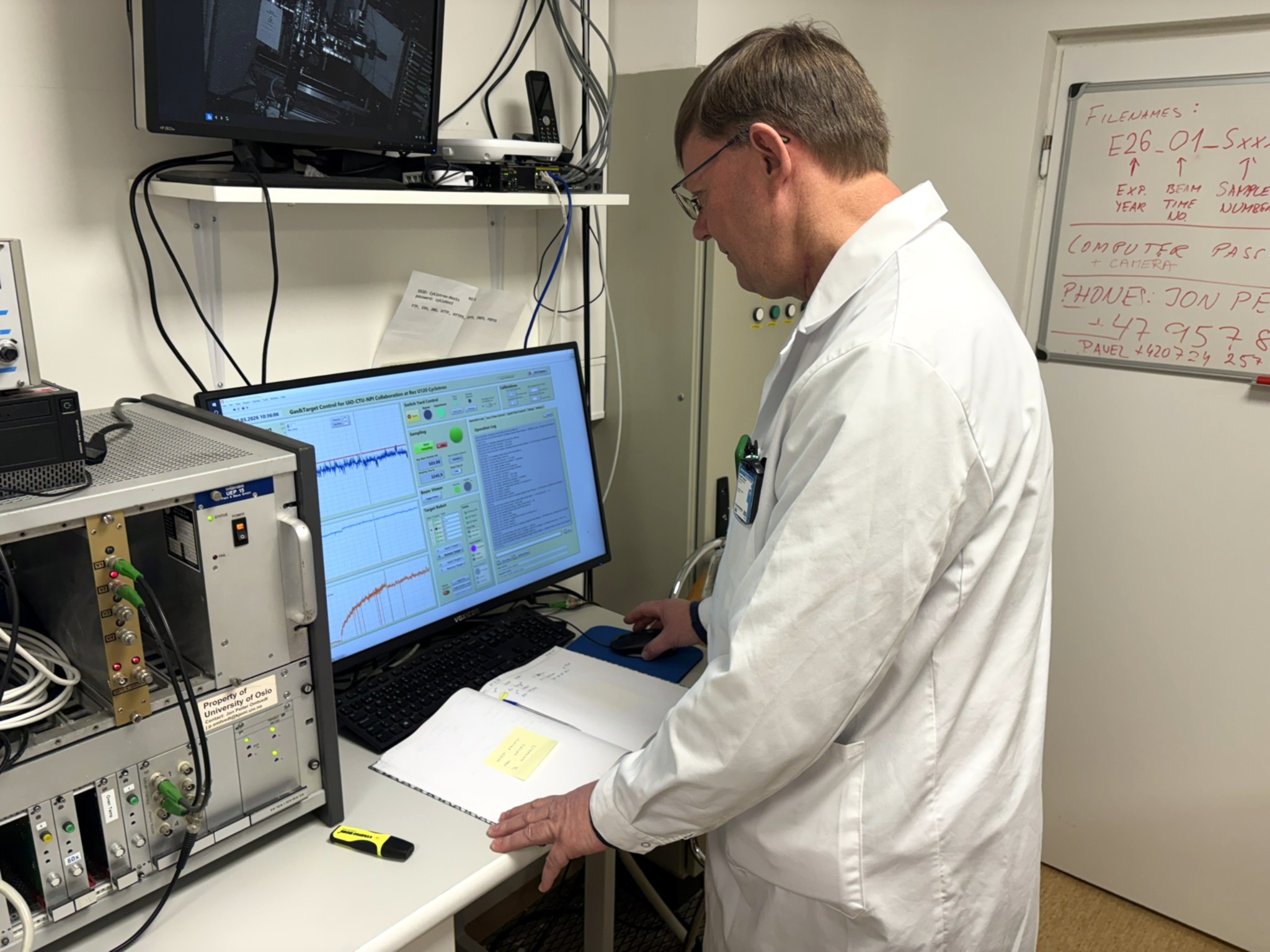
An important technological challenge is also the handling of He-3 gas itself, which is very rare and expensive. The Nuclear Physics Institute therefore built a dedicated recovery system that recirculates the helium after the experiment through the vacuum system back into a closed-loop circuit instead of releasing it into the atmosphere.
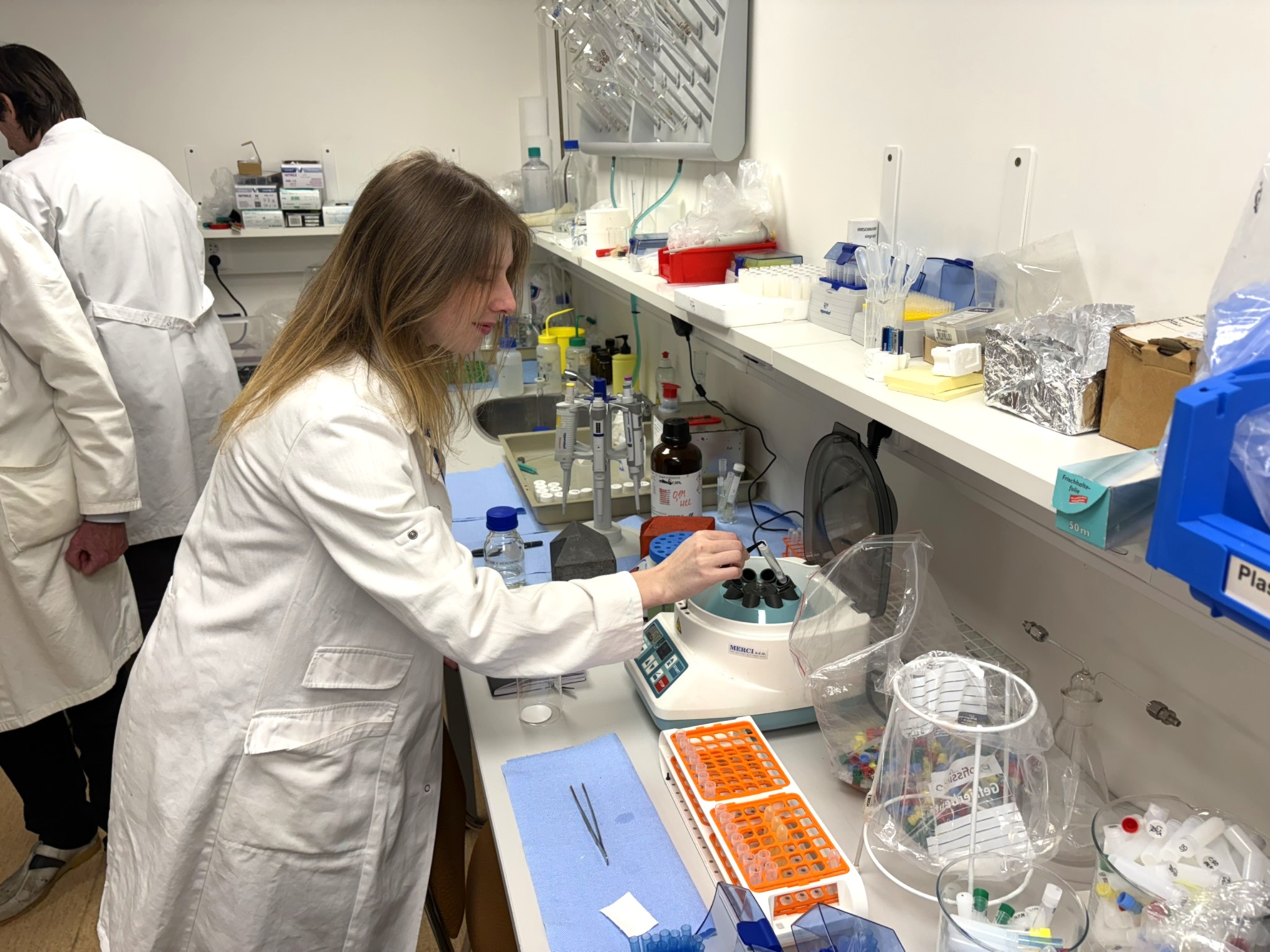
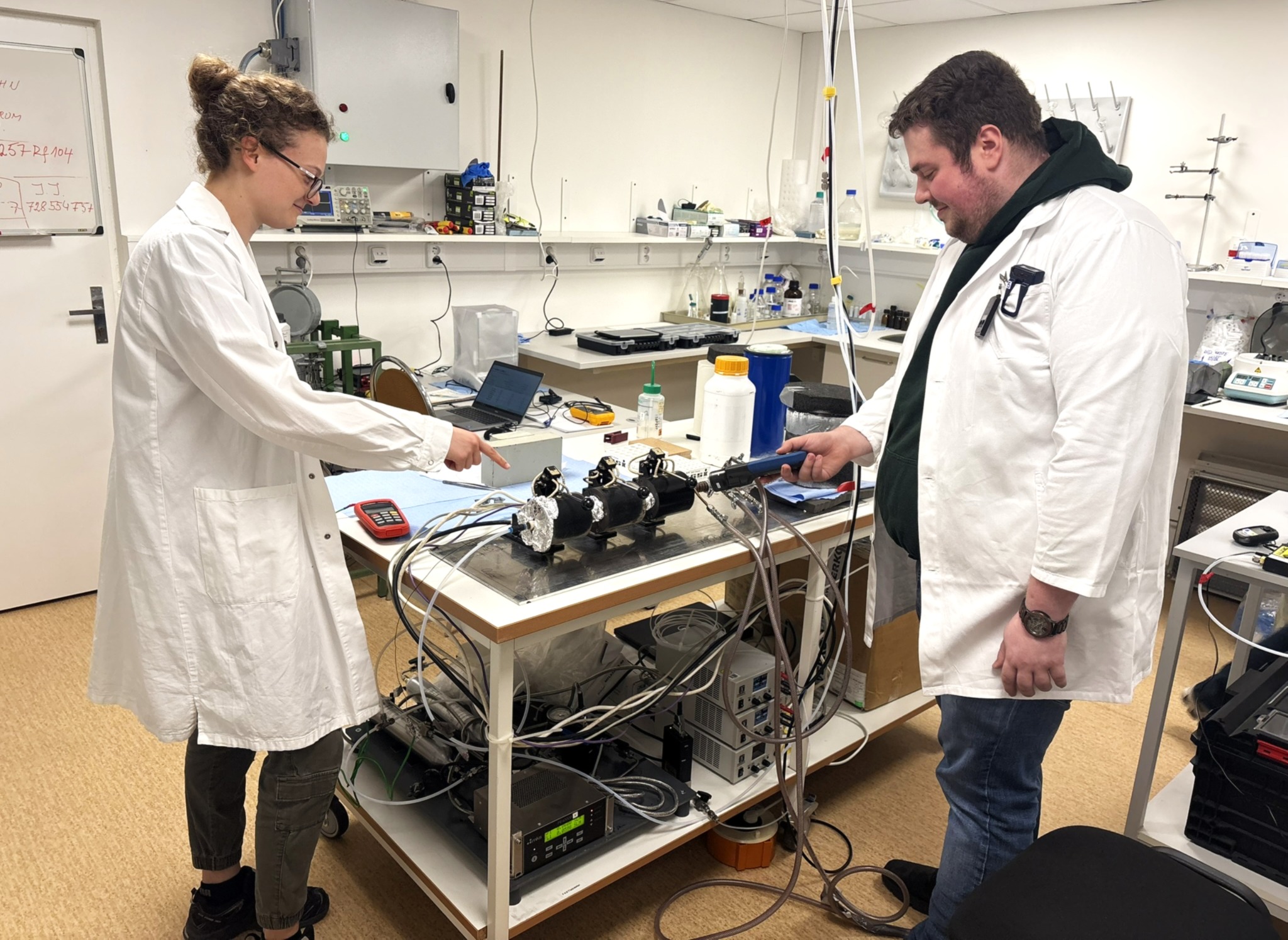
For the purposes of these experiments, a specialised laboratory was also established in the basement of the cyclotron building. The produced radionuclides are transported there using a gas-jet system with KCl aerosol, enabling the direct transfer of the produced elements to on-line chemical experiments.
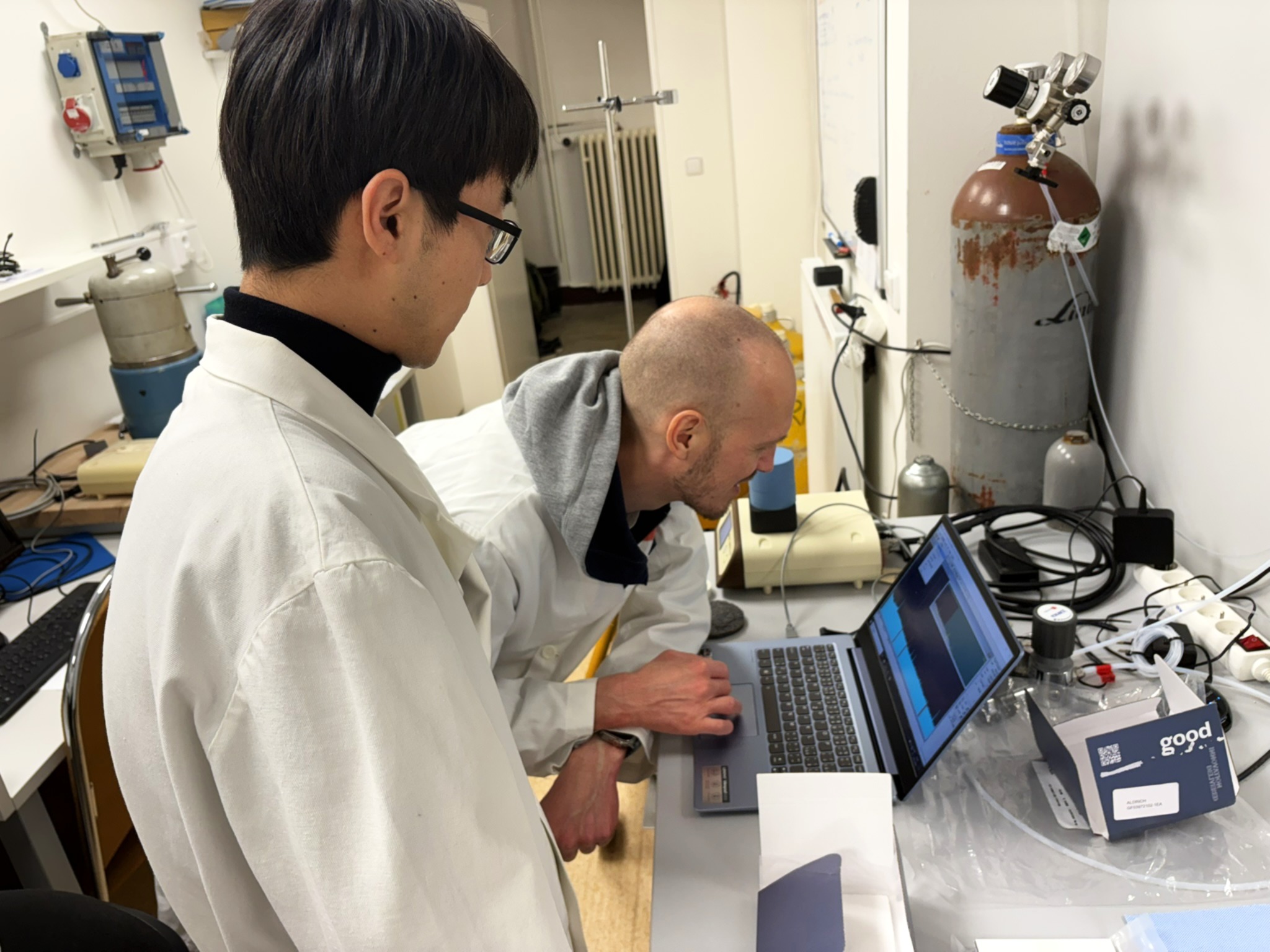
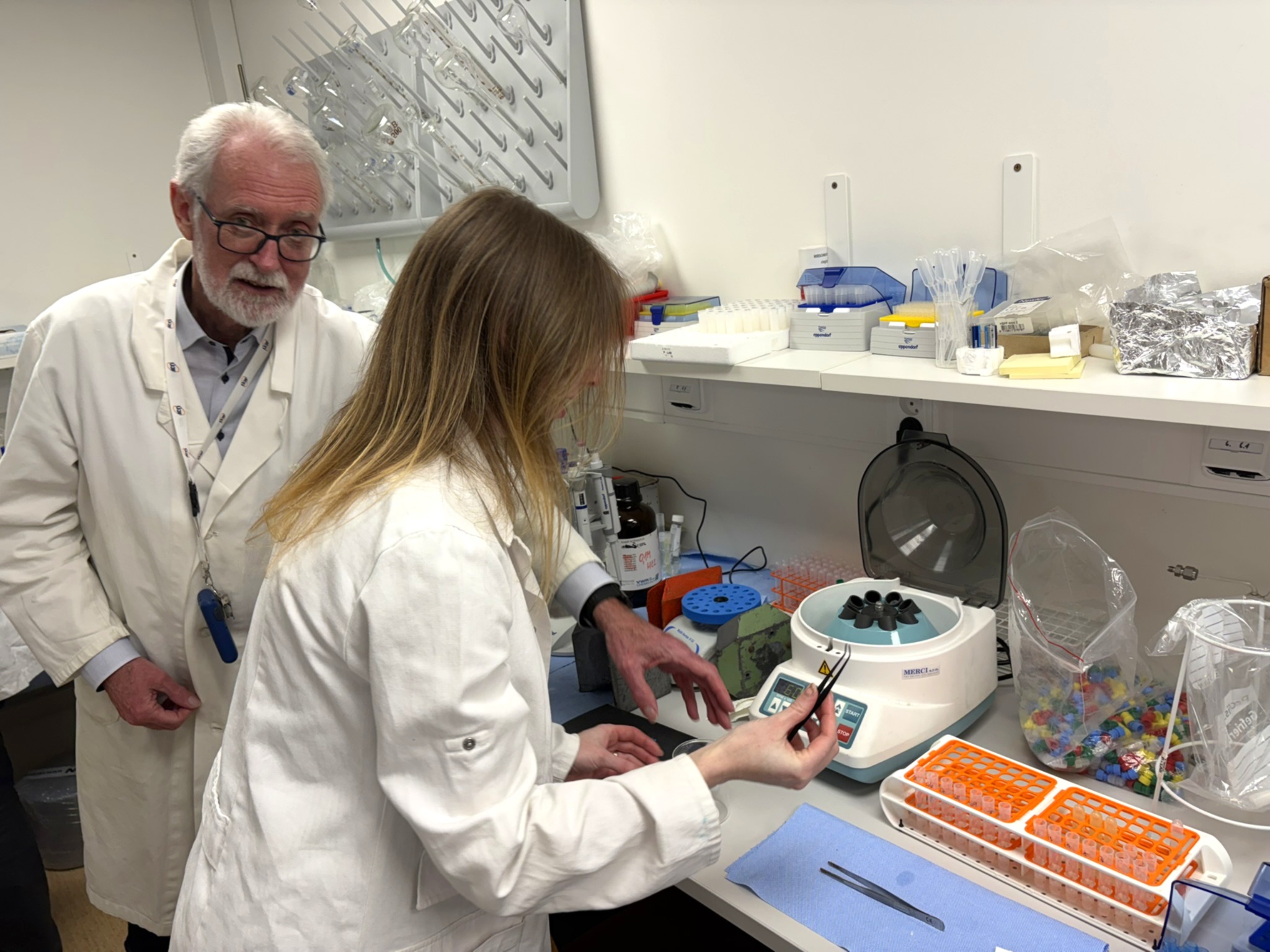
Every year, leading international experts, postdoctoral researchers, and students from renowned institutions come to the Nuclear Physics Institute to participate in these experimental campaigns. The campaigns therefore represent not only an important scientific activity, but also a valuable platform for international cooperation and for educating the next generation of researchers in nuclear physics and radiochemistry.
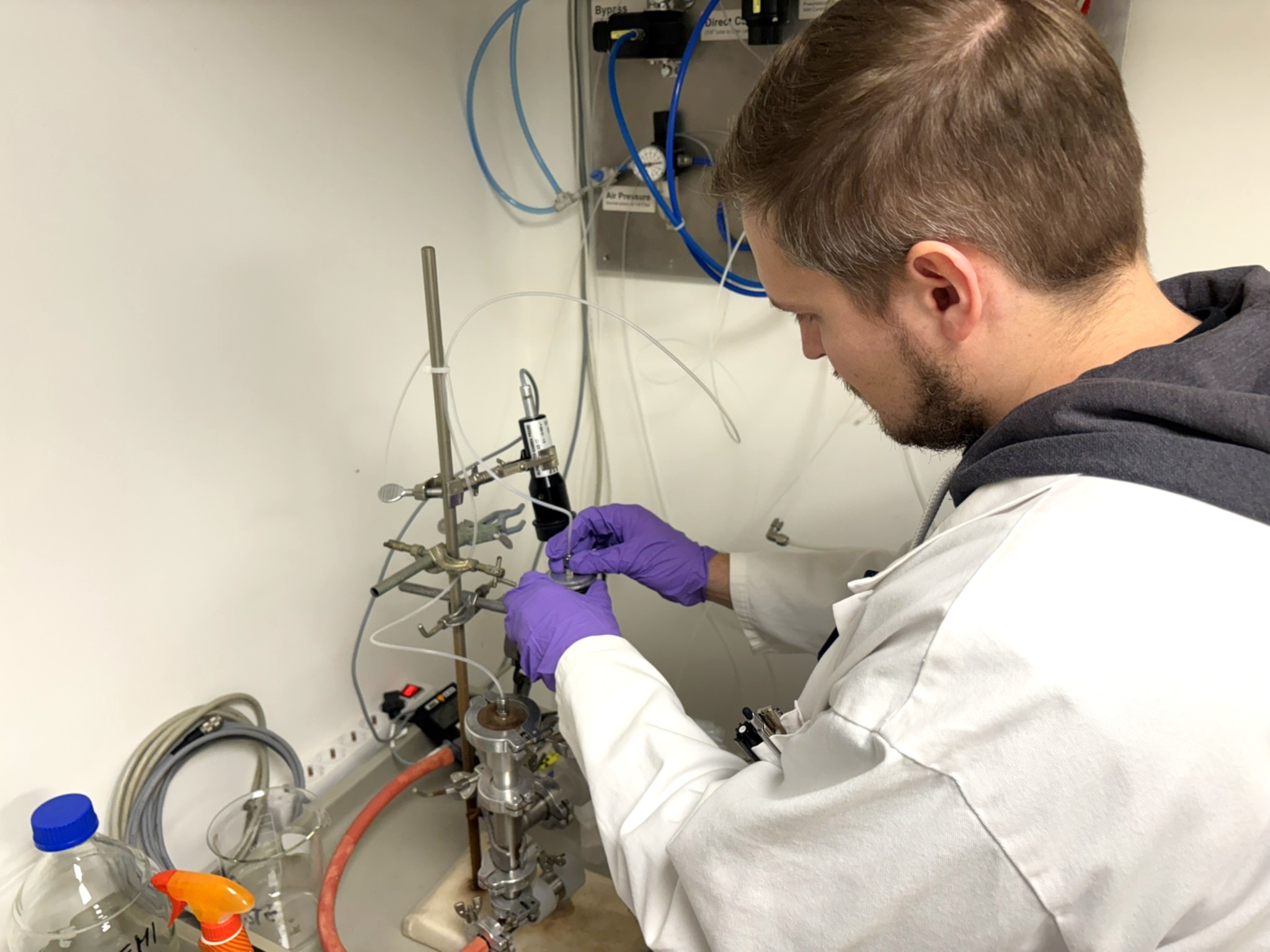
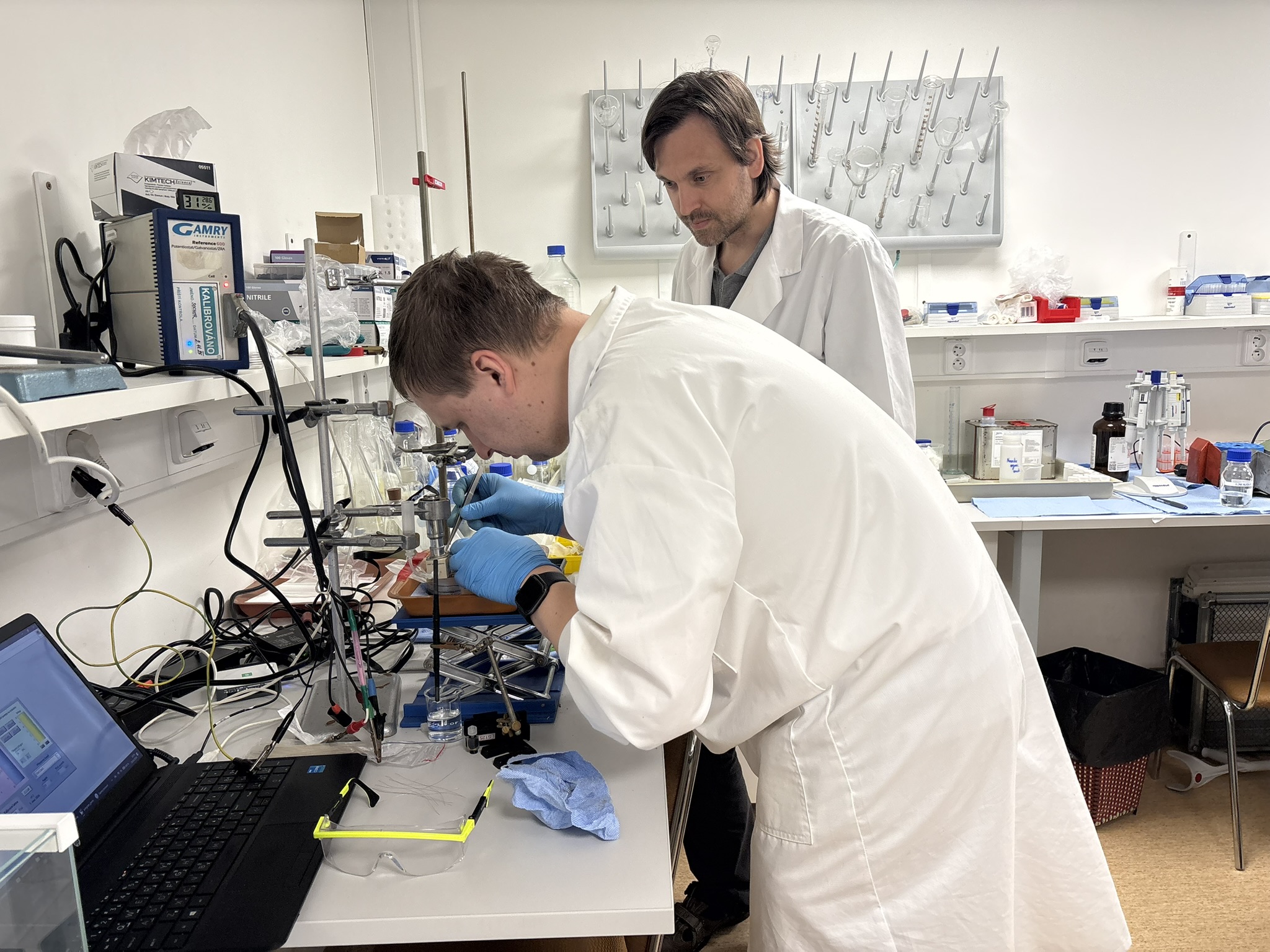
This year’s experimental campaign again included the ASHES (Aqueous Chemistry of SuperHeavy Elements) group from FNSPE CTU, which successfully tested a new online aerosol dissolution subsystem for transferring aerosols from the gas phase into aqueous solution for online chemistry experiments. The campaign also employed the MARGE subsystem, developed within the FAIR-CZ infrastructure, for which the NPI serves as coordinator. These technologies are being prepared for future experiments within the FAIR international research infrastructure in Darmstadt, Germany, specifically for studies of the chemistry of superheavy elements within the NUSTAR collaboration.
Read also
- NPI at the Children’s Day of young scientists
- Seminar Marking the 100th Anniversary of the Formulation of the Schrödinger Equation
- SPACEDOS dosimeter passed another important test ahead of the ISS mission
- Cadets of the Zero-G mission visited the NPI Department of Radiation Dosimetry
- Ondřej Srba appointed new Head of the Department of Radiation Dosimetry at the NPI
- Jane Hvolbaek Nielsen appointed new Director General of ESS
- Jane Hvolbaek Nielsen appointed new Director General of the European Spallation Source (ESS)
- KATRIN experiment approaches the final phase of neutrino mass measurements
- Martin Kákona commented on the Artemis II mission
- Jan Vaněk played a key role in a study published in NATURE
